
+61412901491
support@virelianova.com
We started because the available options felt rigid and disconnected. Students needed flexibility without sacrificing quality, and instructors needed systems that let them focus on teaching rather than managing technology.

Group sessions help students learn from each other and build momentum together. Private lessons give focused attention when you need to work through something specific.
Some weeks you might have more time than others. The structure adapts without losing continuity. Pick up where you left off without feeling penalized for real life happening.
Questions get answered by instructors who know your progress, not generic support teams. That ongoing relationship makes a difference when concepts get challenging.
The infrastructure handles scheduling, content delivery, and progress tracking so instructors can concentrate on teaching and students can focus on learning.
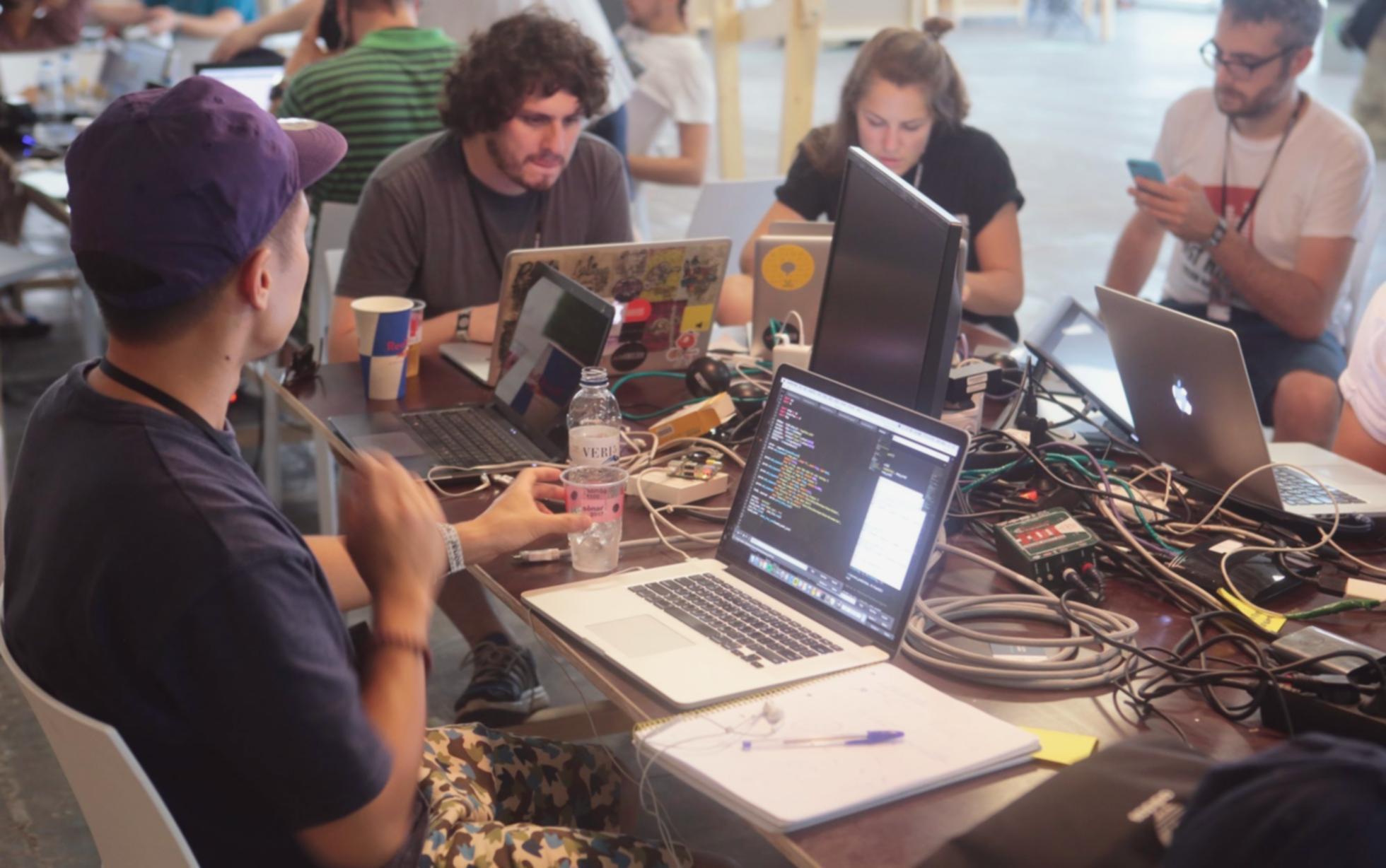
Each course section connects to what came before and prepares for what comes next. Concepts layer in sequence so you're not stuck trying to understand advanced topics without the foundation.
The pacing lets you spend extra time on difficult parts without holding up your entire schedule. You control when to move forward.

The dashboard shows completion rates, time spent, and areas that might need review. Not gamified points or badges, just clear information about where you stand in the curriculum.
Instructors see the same data, which helps them spot when students are struggling before it becomes a bigger problem.

Group sessions happen at set times with cohorts working through material together. Private sessions get scheduled when your calendar allows. Both formats use the same core content and assessment criteria.
Switching between formats is straightforward if your situation changes. Students often start with groups and add private sessions for specific challenging topics.
Instructors work with the same students over time, which means they understand individual learning patterns and can adjust explanations accordingly.

Viktor handles curriculum structure and makes sure progression makes sense across different learning speeds. He spent years watching students get frustrated with courses that moved too fast or too slow for everyone, so he focuses on building flexibility into the material itself.
Before this, he worked in enterprise training where pacing issues caused real problems for deployment timelines. That experience shaped how he thinks about adaptive pathways and checkpoint systems.
Browse the available courses or read about the methodology behind the adaptive structure. Both pages show what you'd be getting into before committing.